Engineering at altitude.
in a high stakes, high stress, zero-mistakes environment.
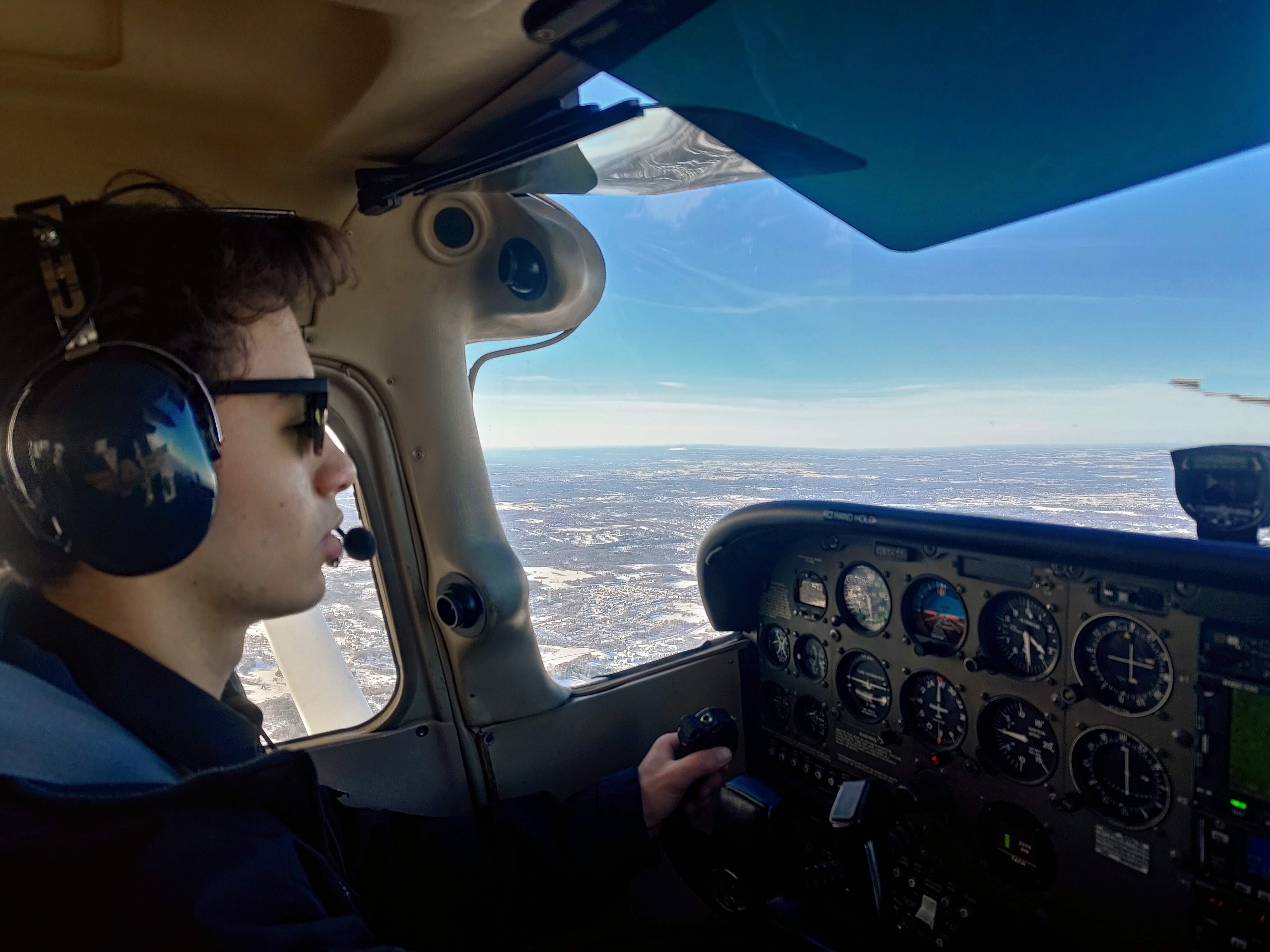
In April 2022, I started my journey as a pilot at Twin Cities Flight. Two years and over
300 flight hours later,
my dream of becoming a pilot came true. With numerous maintenance issues, delays, and
weather-related cancellations
(it is the midwest after all), my Private Pilot training progressed more slowly than
expected, but overcoming setbacks
and difficult conditions pushed my skills to a new level. Because of that experience,
I've learned to adapt quickly and
handle challenges with more resilience than most who haven't faced the same obstacles.
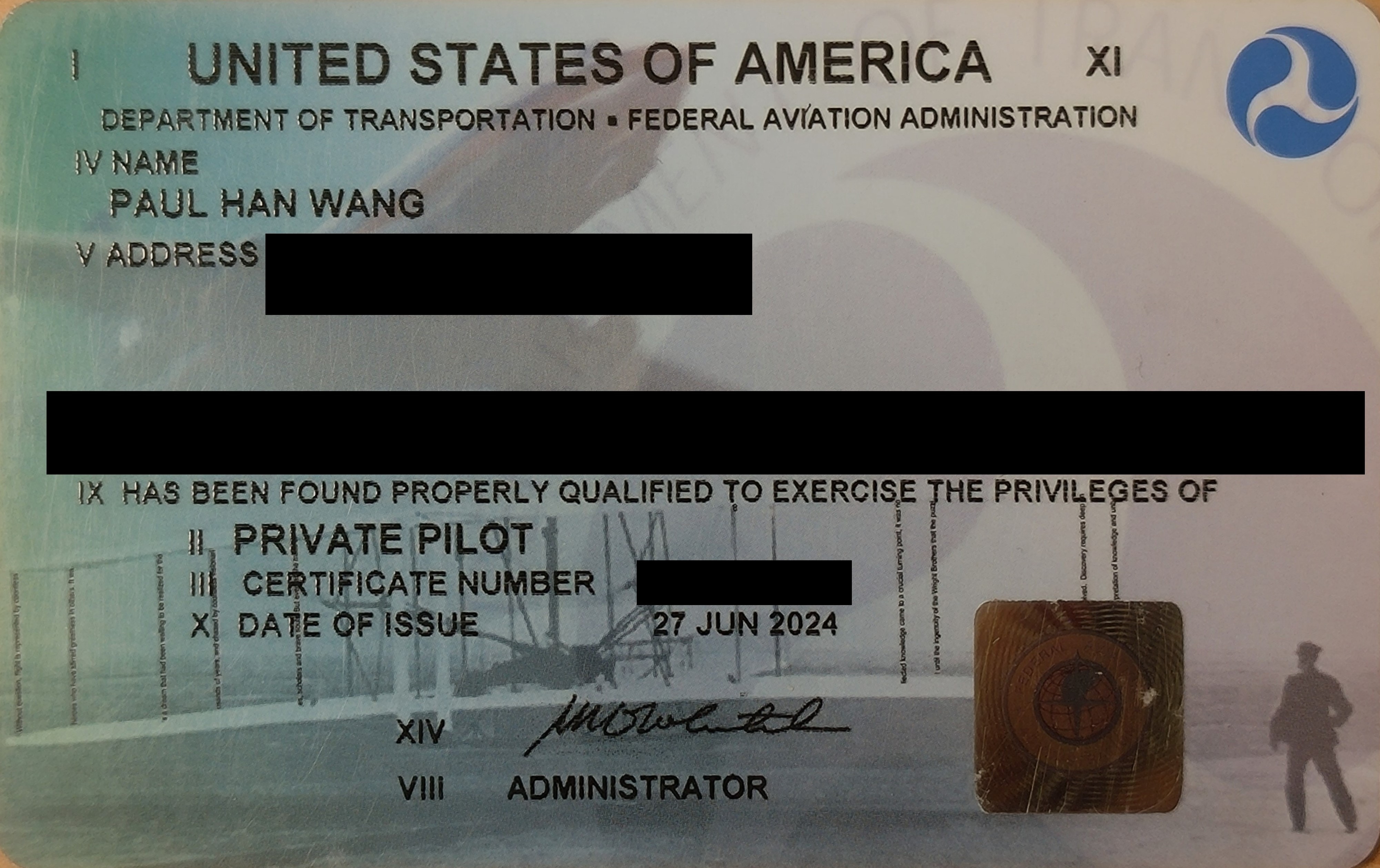
On June 27th, 2024, I passed my
FAA Private Pilot's test with flying colours, demonstrating my perserverance and
committment to all my activities.
 Check out the corresponding
LinkedIn post!
Techinical Skills & Maintenance
.jpg)
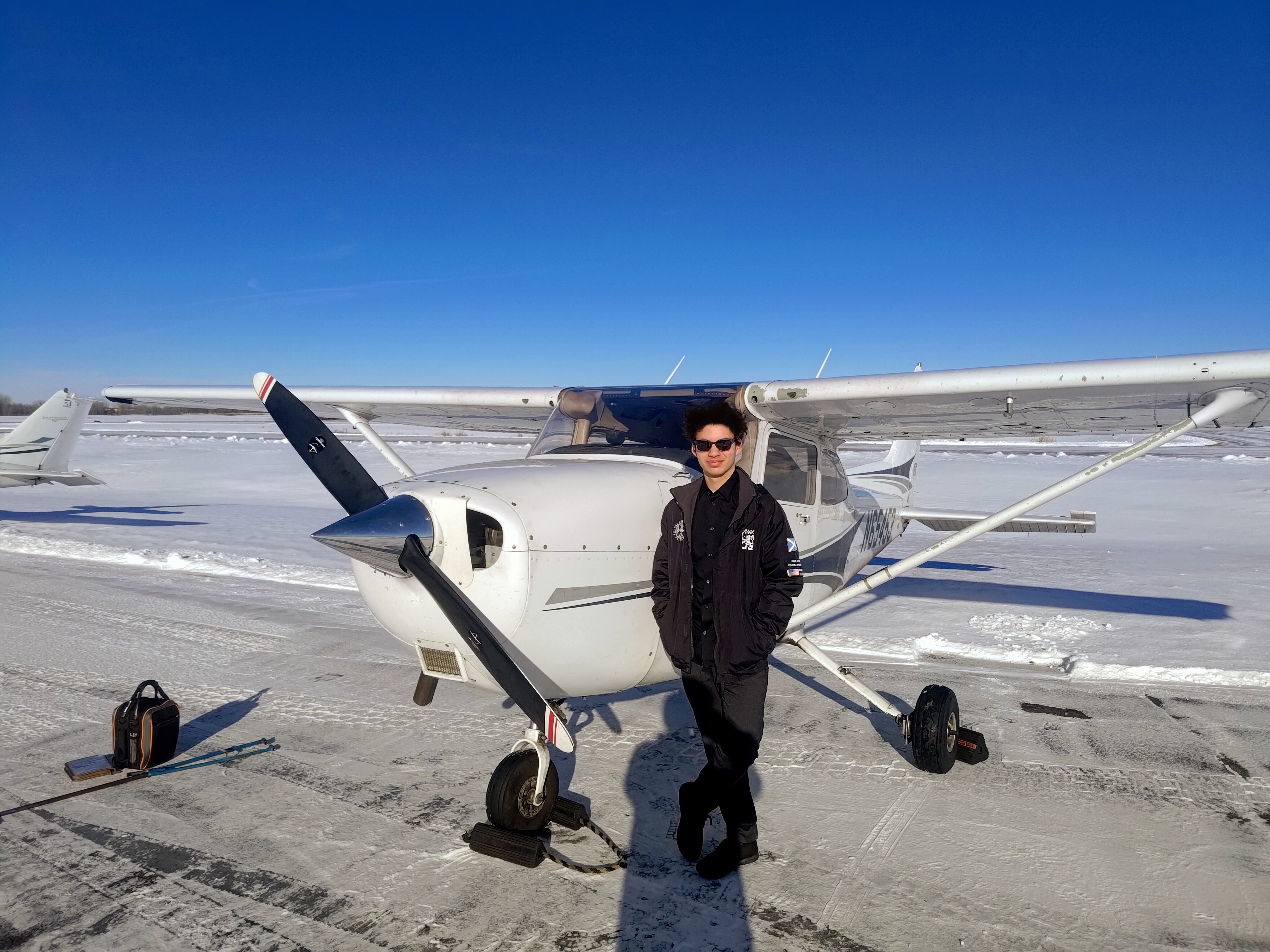
Aircraft technical knowledge was a big part of my Private Pilot training. As the
operator of an incredibly complex and dangerous
vehicle, it’s crucial to understand the core technical aspects of aviation, enabling
you to keep equipment functioning properly
and effectively address any problems that arise.
Through my training, I gained hands-on, practical experience and understanding in:
— Aerodynamics & Airflow Physics
— Pressure Systems & Pitot-Static Systems
— Internal Combustion Engines & Fuel Systems
— Weather and Meteorological Effects
— Electronics and Nagivation Systems & Radio and VOR Systems
— Weight and Balance & Stability
— Torque, Forces, & Left-Yaw Tendencies
— Real-World Navigation & Fuel Usage Tracking
— Performance Charts & Performance Calculations
— Airspace Restrictions & Radio Communication
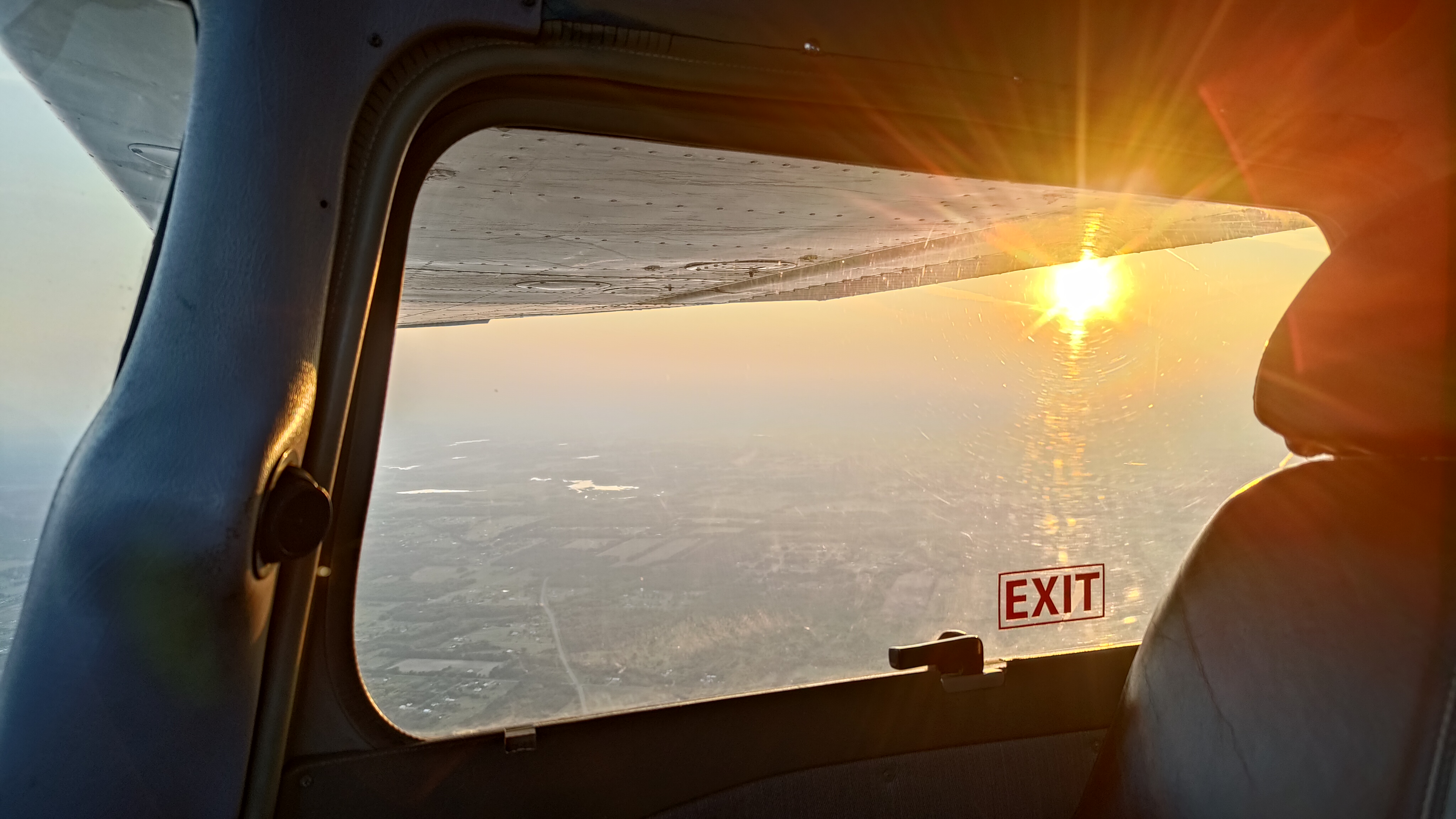
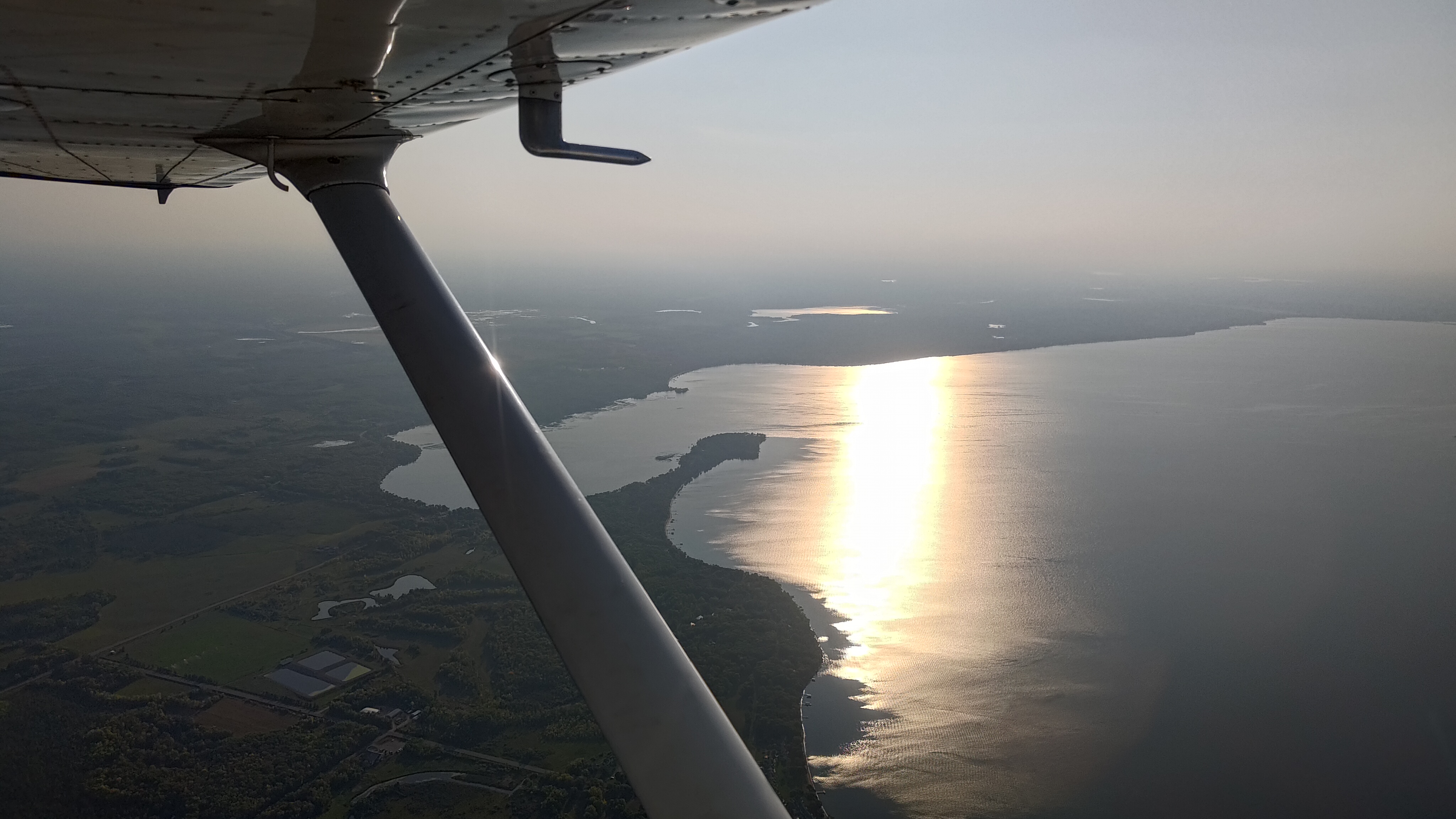
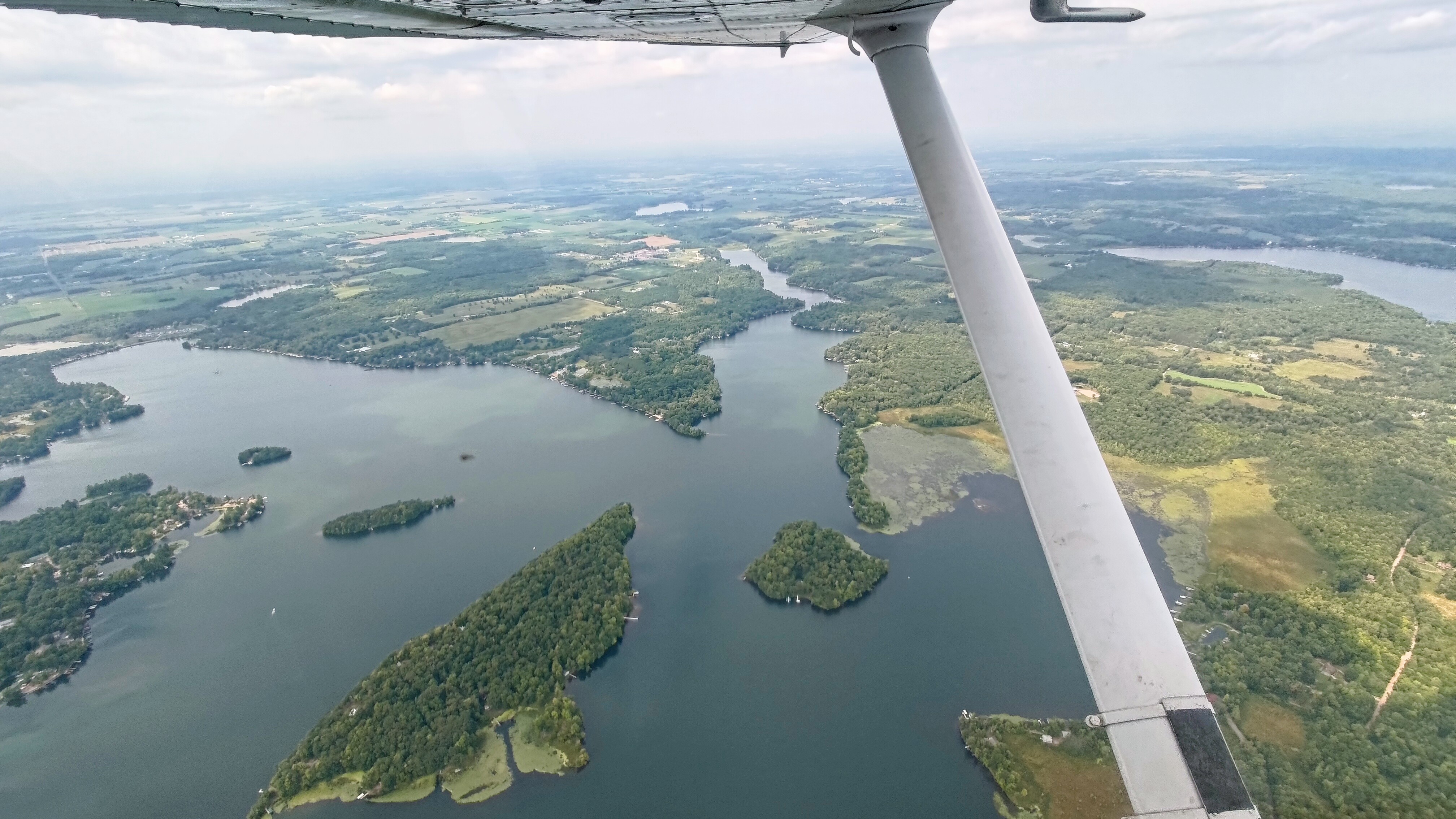
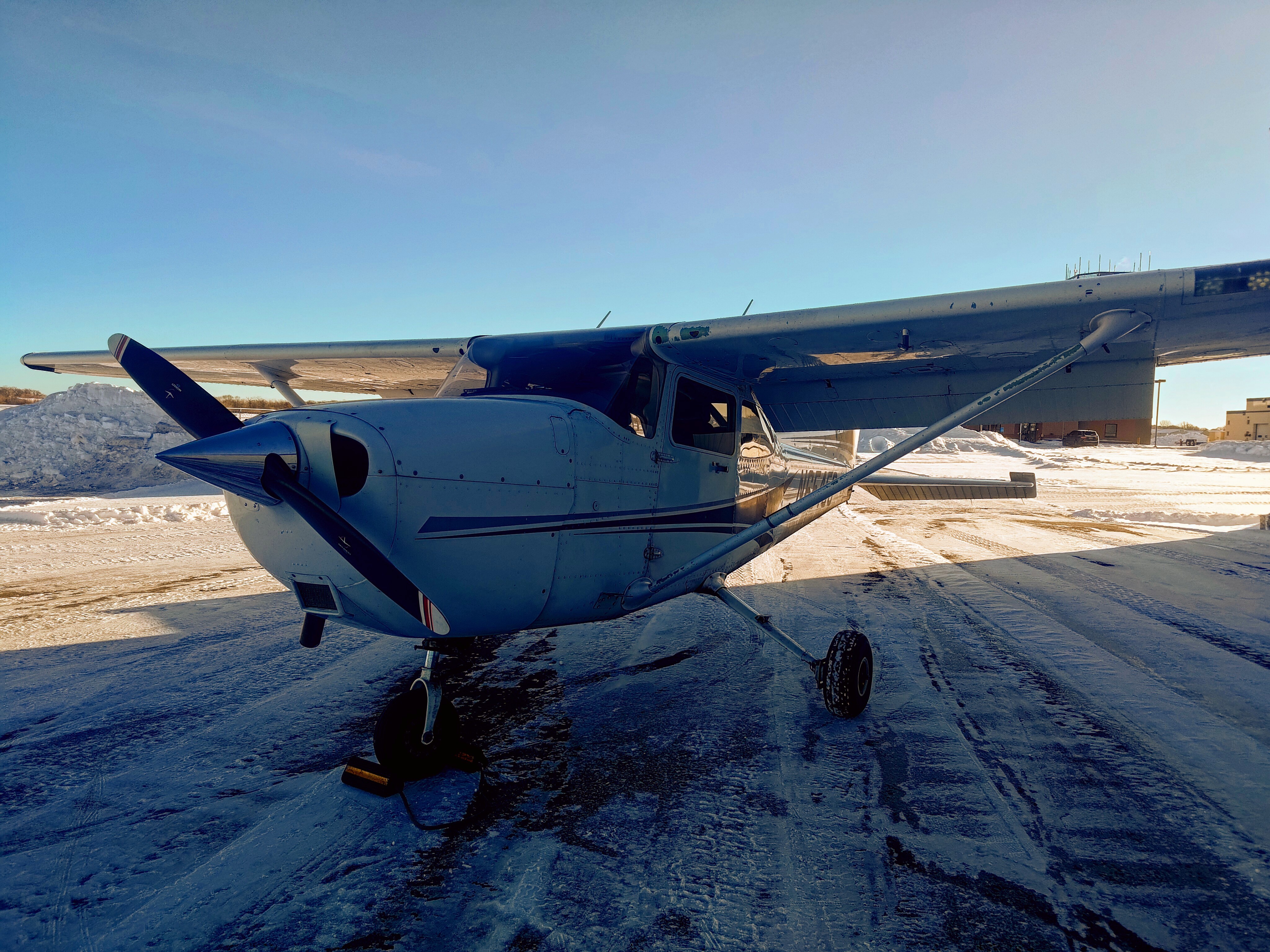
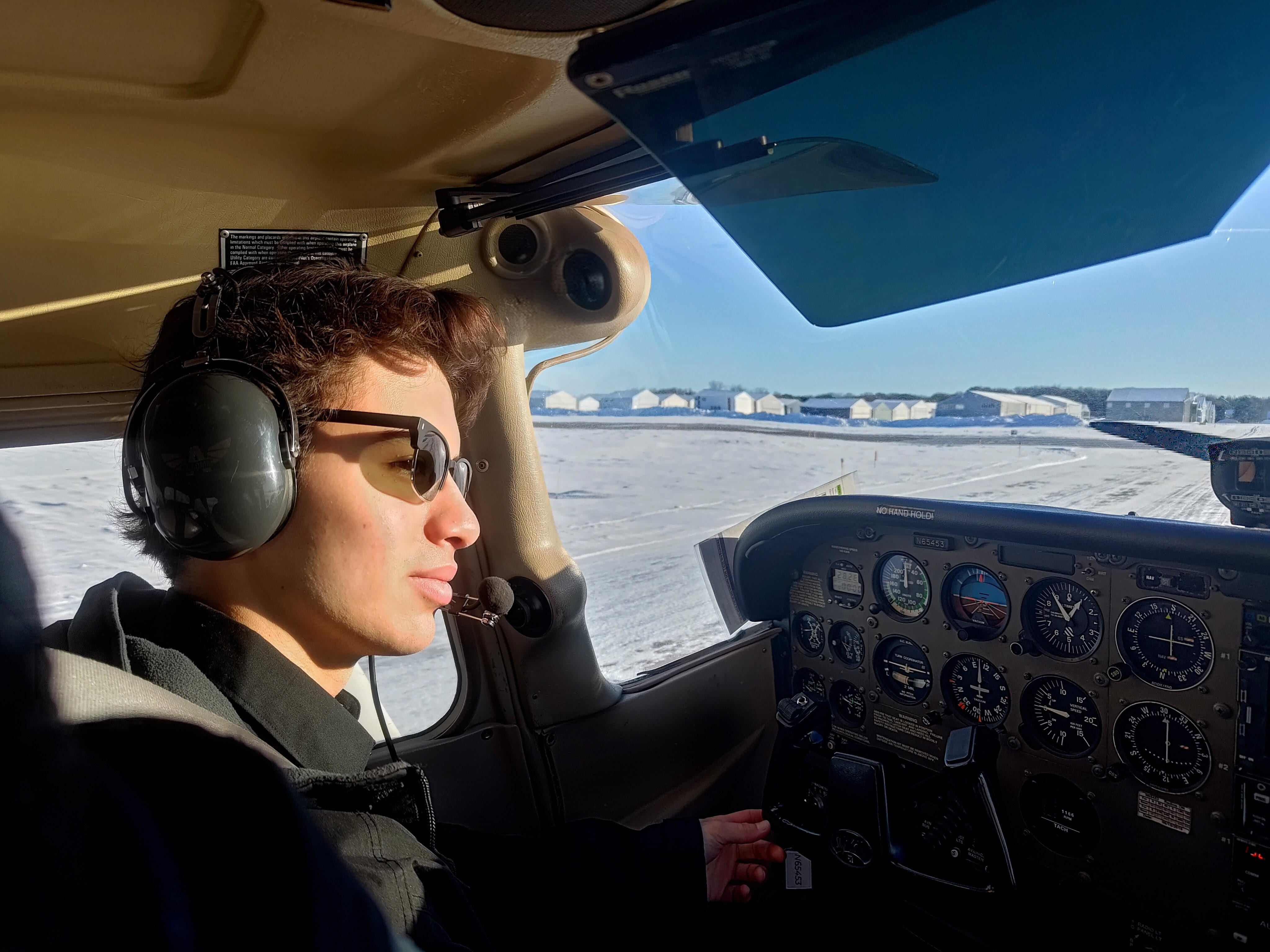
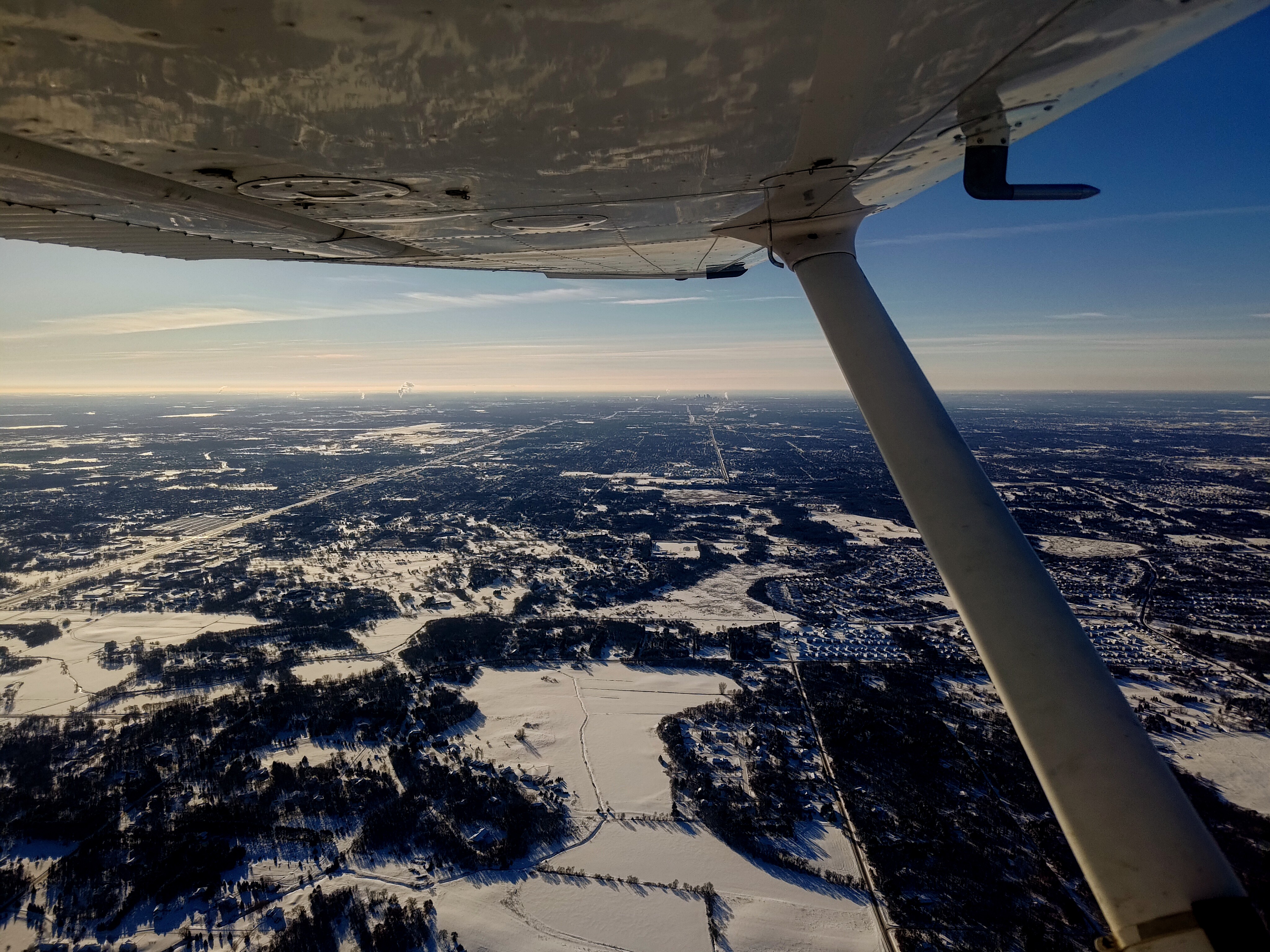
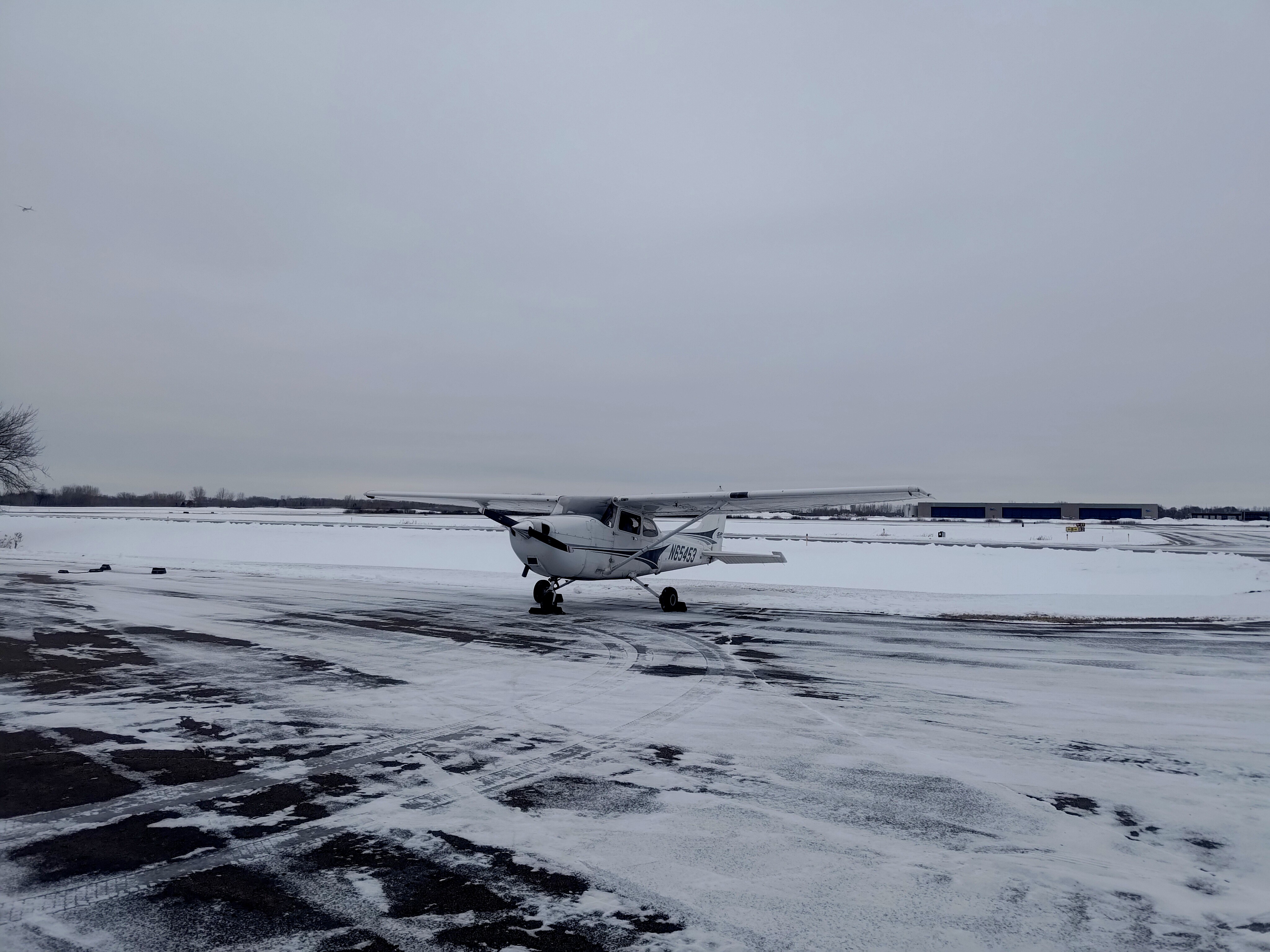
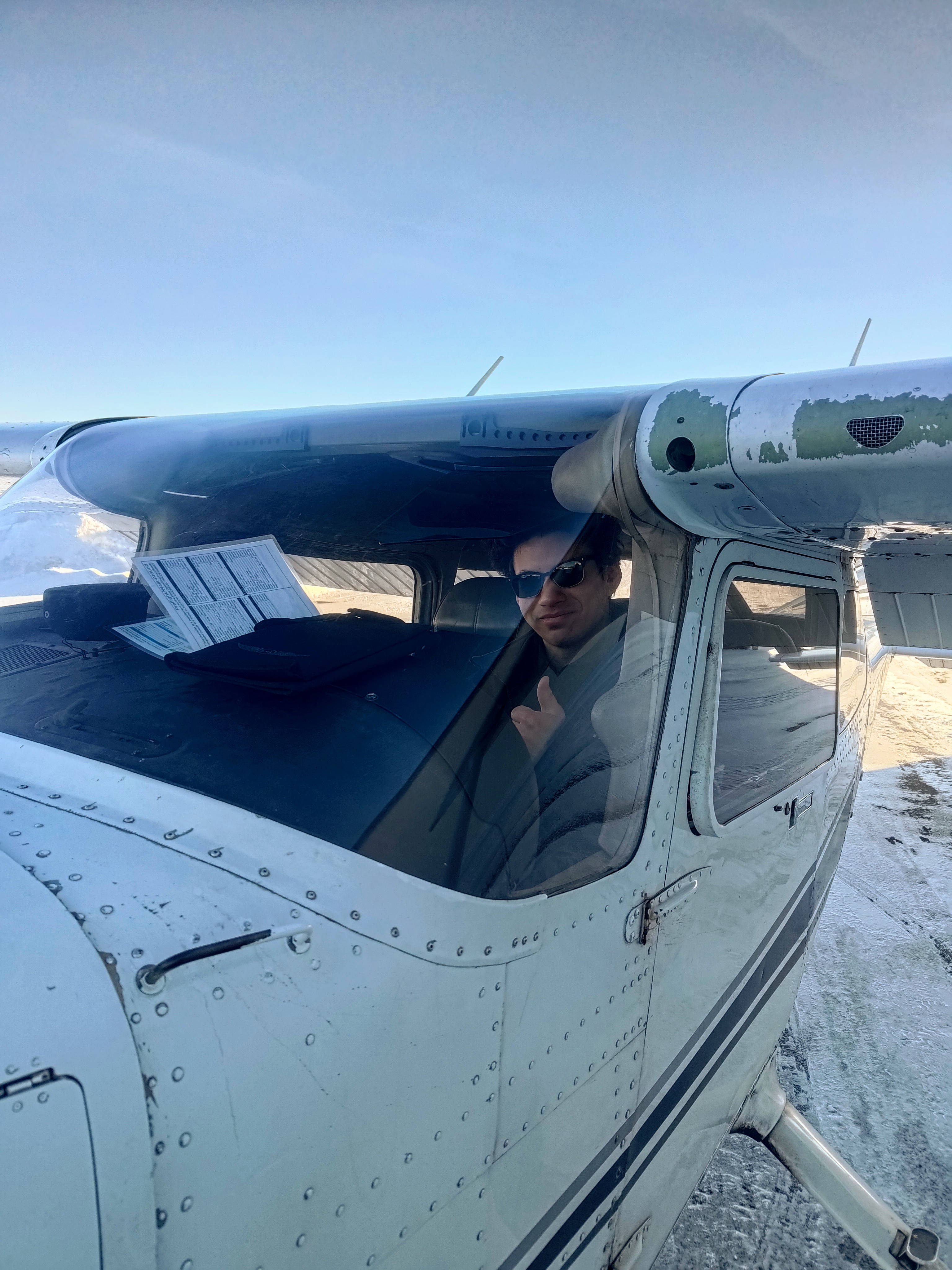
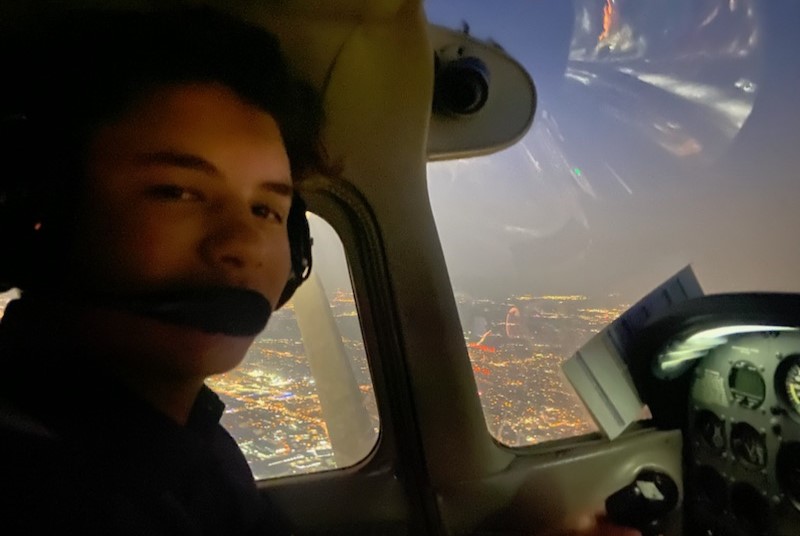
Photo Reel
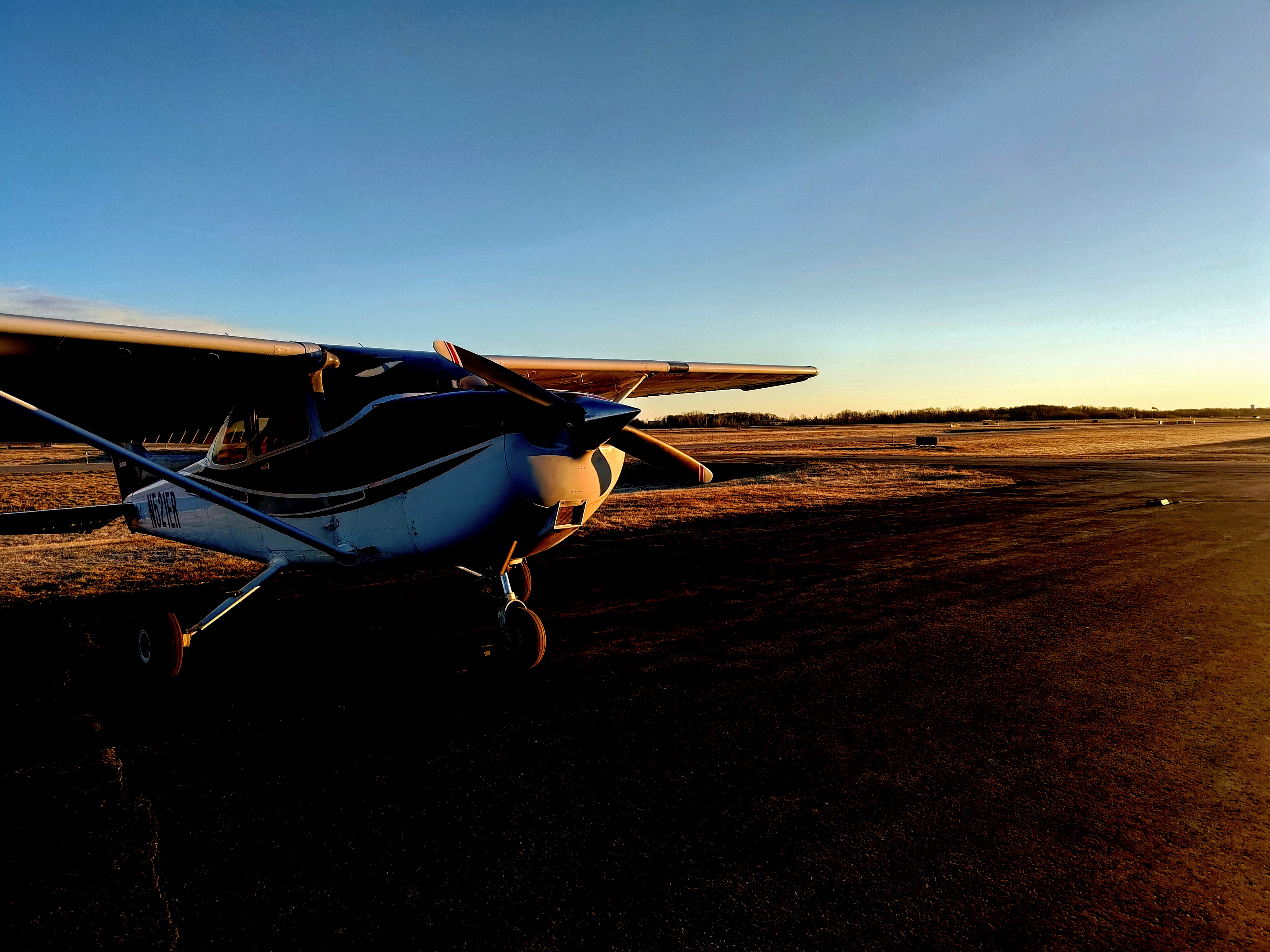
Photo by Paul Wang
.jpg)